
Hospitality runs on a software stack dominated by Oracle, NCR, Salesforce, Adobe and a small number of specialised players. The concentration creates aggressive vendor behaviour at every renewal and audit. This guide walks through OPERA Cloud migration, restaurant POS economics, PCI scope, loyalty platforms, and the renegotiation playbook used by multi-property hospitality groups.
The hospitality industry — hotels, restaurants, gaming, cruise lines — runs on a software stack that the major vendors target for distinct economic reasons. Property management systems (Oracle OPERA, Agilysys, Mews), point of sale (Oracle Symphony, Toast, Lightspeed), customer engagement (Salesforce Hospitality Cloud, Adobe Experience Manager, Cendyn), revenue management (IDeaS, Duetto, RateGain), and loyalty platforms — each has a small number of dominant vendors and a small number of credible alternatives, which creates the conditions for aggressive pricing and audit behaviour. Oracle Hospitality alone now licenses roughly 40% of premium-segment hotel rooms globally.
In our experience across hospitality engagements, three patterns recur: extreme vendor concentration risk (Oracle in hotels, NCR in restaurants and convenience retail), property-level licensing fragmentation (each property runs its own discovery and entitlement, with no consolidated view), and seasonal usage patterns that vendors price unfavourably against the buyer's actual occupancy cycle. Each of these can be remediated, but only when the buyer organises licensing as a portfolio rather than as a property-by-property purchase.
Our consultants have negotiated multi-property hospitality licensing across major hotel groups, restaurant chains and gaming operators.
Oracle OPERA Cloud is the multi-tenant SaaS successor to OPERA Property and OPERA Enterprise. Oracle has announced that on-premise OPERA Property will reach Premier Support end-of-life in 2029, which has triggered a multi-year migration push. The migration is also a renegotiation opportunity: the on-prem licence economics differ materially from OPERA Cloud subscription economics, and the migration timing is the leverage point where the buyer can shape the multi-year economics.
Two specific Oracle Hospitality patterns to anticipate: first, Oracle uses the cloud migration as a vehicle to expand into additional modules (Symphony POS, Hospitality Integration Platform, Identity Cloud, MICROS hardware). Bundling can be negotiated favourably, but only if the buyer brings a multi-year usage forecast and a credible alternative threat. Second, Oracle Hospitality audit activity has risen in the multi-property segment as the migration accelerates; on-prem deployments under Premier Support are the highest audit-risk profile.
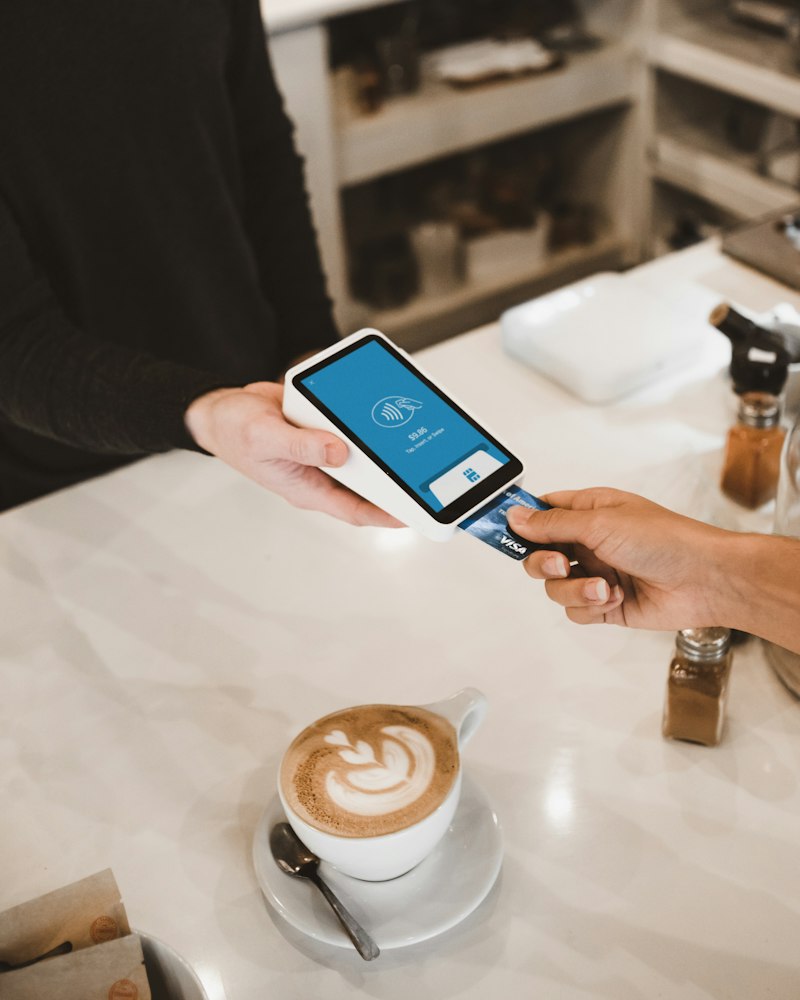
The enterprise restaurant POS market is concentrated around NCR (Aloha), Oracle (Micros Symphony), Toast and Lightspeed, with Square gaining share in lower segments. The licence economics differ sharply: NCR and Oracle run perpetual-with-support models on legacy estates and SaaS subscription on new deployments; Toast and Lightspeed are pure SaaS. The audit risk concentrates on NCR and Oracle legacy estates. The renegotiation leverage concentrates on the buyer's ability to credibly migrate to a Toast or Lightspeed alternative.
A pattern we see consistently: large multi-unit restaurant operators on legacy NCR or Oracle estates over-pay support fees by 25–40% relative to negotiated benchmarks because the perception of switching cost is high. Switching cost is high, but it is also negotiable — vendors will discount support fees and expand functional scope materially when a migration RFP is in play. For operators carrying years of accreted modules across dozens of properties, a disciplined software license optimization pass usually surfaces those over-paid support lines before the RFP even goes out.
The Oracle negotiation playbook covers Hospitality and OPERA Cloud migration scenarios in detail.
Hospitality is one of the most PCI-complex industries because cardholder data touches multiple systems — PMS, POS, loyalty, central reservations, channel managers, distribution — and the operational realities (folio splits, comp adjustments, manual entry) keep cardholder data flowing across systems in ways that complicate scope. The licensing implication is that PCI scope decisions directly affect which versions and modules of the major hospitality platforms are deployed, and which integrations are permitted. A unified asset register that maps PCI scope to licence entitlement is a higher-leverage artefact in hospitality than in most other industries.
Hospitality groups are increasingly building loyalty and guest-engagement programs on Salesforce Hospitality Cloud, Marketing Cloud, and Data Cloud. The licence economics are aggressive at first contract and aggressive at renewal — Salesforce knows the data-gravity is on its side once a loyalty program is built on Marketing Cloud. The negotiation point is the renewal escalator and the entitlement growth assumptions baked into year-three pricing. Negotiate these at original signing, not at renewal.
We help hospitality groups negotiate, optimise and defend audits across the full stack — Oracle, NCR, Salesforce, Adobe, IDeaS.


We advise multi-property hospitality groups on Oracle Hospitality, NCR, Salesforce, Adobe and the full ancillary stack. Independent and buyer-side only.
One email a week, no filler — the vendor moves that quietly add 9–18% to a renewal, and how clients take it back out.